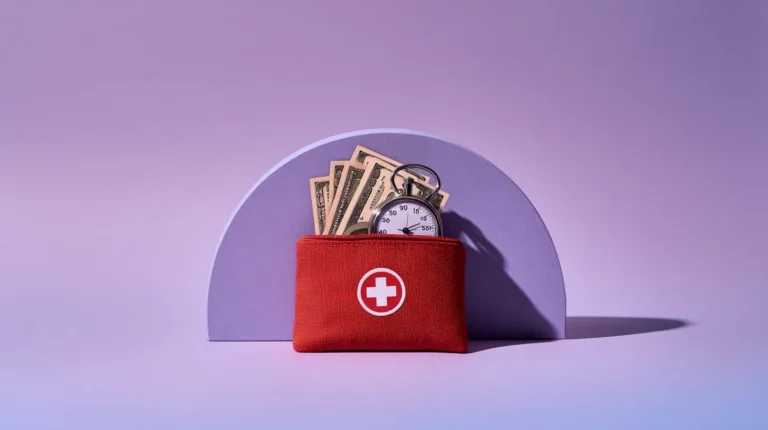
If you’re asking how much money you should have in your emergency fund, you’re already thinking strategically.
Most people do not worry about savings until something goes wrong. However, those who plan ahead avoid financial panic later. Therefore, building the right emergency fund is less about fear and more about control.
In 2026, rising living costs, job market shifts, and unexpected expenses make emergency savings more important than ever. Nevertheless, the “right” amount depends on your situation.
So how much should you actually save?
Let’s break it down clearly.
Why an Emergency Fund Matters More Than Ever
Emergencies rarely announce themselves.
A sudden job loss. A medical bill. A major car repair. A home emergency. These events create stress quickly. Without savings, people often rely on high-interest credit cards or emergency loans. Consequently, short-term problems become long-term debt.
An emergency fund acts as a financial buffer. Instead of reacting emotionally, you respond strategically.
Therefore, even a modest cushion creates peace of mind.
The Traditional Rule: 3 to 6 Months of Expenses
Most financial experts recommend saving three to six months of essential living expenses.
However, this rule serves as a general guideline — not a fixed number.
Here’s how it works:
| Monthly Essential Expenses | 3 Months | 6 Months |
|---|---|---|
| $2,000 | $6,000 | $12,000 |
| $3,500 | $10,500 | $21,000 |
| $5,000 | $15,000 | $30,000 |
Essential expenses include:
- Housing
- Utilities
- Food
- Insurance
- Transportation
- Minimum debt payments
Notice that this calculation excludes vacations, entertainment, and optional spending.
Because emergencies focus on survival, not lifestyle, you calculate based on necessities only.
Should You Aim for 3 or 6 Months?
The answer depends on stability.
Choose 3 Months If:
- You have stable employment
- Your income remains predictable
- You work in a secure industry
- You can easily find new work
Choose 6 Months (or More) If:
- You are self-employed
- Your income fluctuates
- You support dependents
- You work in a volatile industry
Therefore, risk level determines your target.
In 2026, many people pursue flexible or freelance careers. Consequently, income variability increases. If that describes you, lean toward the higher range.
What If You’re Starting From Zero?
If saving three months feels overwhelming, start smaller.
First, aim for $1,000.
This amount covers many common emergencies:
- Minor car repairs
- Small medical bills
- Appliance replacement
- Unexpected travel
Once you reach $1,000, expand gradually.
Here’s a step-by-step approach:
| Phase | Target | Purpose |
|---|---|---|
| Phase 1 | $1,000 | Immediate small emergencies |
| Phase 2 | 1 Month Expenses | Short-term income gap |
| Phase 3 | 3–6 Months | Full financial buffer |
By building in stages, you avoid burnout.
Consistency beats intensity.
Where Should You Keep Your Emergency Fund?
Your emergency fund must remain safe and accessible.
Therefore, avoid investing it in volatile assets like stocks or crypto. Market fluctuations could reduce your balance when you need it most.
Instead, consider:
- High-yield savings accounts
- Money market accounts
- Cash management accounts
These options provide liquidity while earning interest.
Because access matters more than maximum growth, safety remains the priority.
How to Calculate Your Exact Number
Follow this simple process:
- List all essential monthly expenses.
- Add them together.
- Multiply by your chosen month target (3, 4, 5, or 6).
For example:
- Rent: $1,500
- Utilities: $250
- Food: $500
- Insurance: $300
- Transportation: $450
- Minimum debt payments: $500
Total: $3,500
If you choose 4 months, your emergency fund target becomes $14,000.
Clarity reduces confusion.
Once you know your number, saving becomes measurable.
Common Mistakes to Avoid
While building your emergency fund, avoid these errors:
- Saving too little based on guesswork
- Including non-essential lifestyle costs
- Investing emergency funds aggressively
- Ignoring inflation adjustments
Additionally, review your target annually.
If your expenses increase, your emergency fund target should increase as well.
Should You Pay Off Debt First or Build Savings?
This question creates debate.
In most cases, build a small emergency fund first — at least $1,000.
Then, if you carry high-interest debt, focus on repayment while maintaining that minimum buffer.
After eliminating expensive debt, expand your emergency savings to 3–6 months.
This balanced approach prevents new debt during unexpected events.
What Happens If You Never Use It?
Some people hesitate because they dislike seeing money “just sitting.”
However, your emergency fund is not wasted capital. Instead, it functions as insurance.
You hope you never use it. Nevertheless, its existence protects your financial stability.
Peace of mind carries value.
Adjusting for 2026 Economic Conditions
Economic shifts influence savings strategy.
In uncertain job markets, longer savings targets provide protection. Meanwhile, if interest rates remain elevated, high-yield accounts make emergency funds slightly more productive.
Therefore, adapt your target based on:
- Job security
- Economic outlook
- Family responsibilities
- Income stability
Flexibility strengthens resilience.
Final Thoughts: Build Security Before You Need It
If you’re asking how much money you should have in your emergency fund, you already understand the importance of preparation.
While 3 to 6 months of essential expenses serves as a strong guideline, your personal risk level determines the ideal amount.
Start small if necessary.
Build consistently.
Adjust over time.
Because emergencies arrive without warning.
And when they do, having the right savings buffer transforms crisis into inconvenience.
In 2026, financial stability does not happen by accident.
It happens by design.