Anúncio
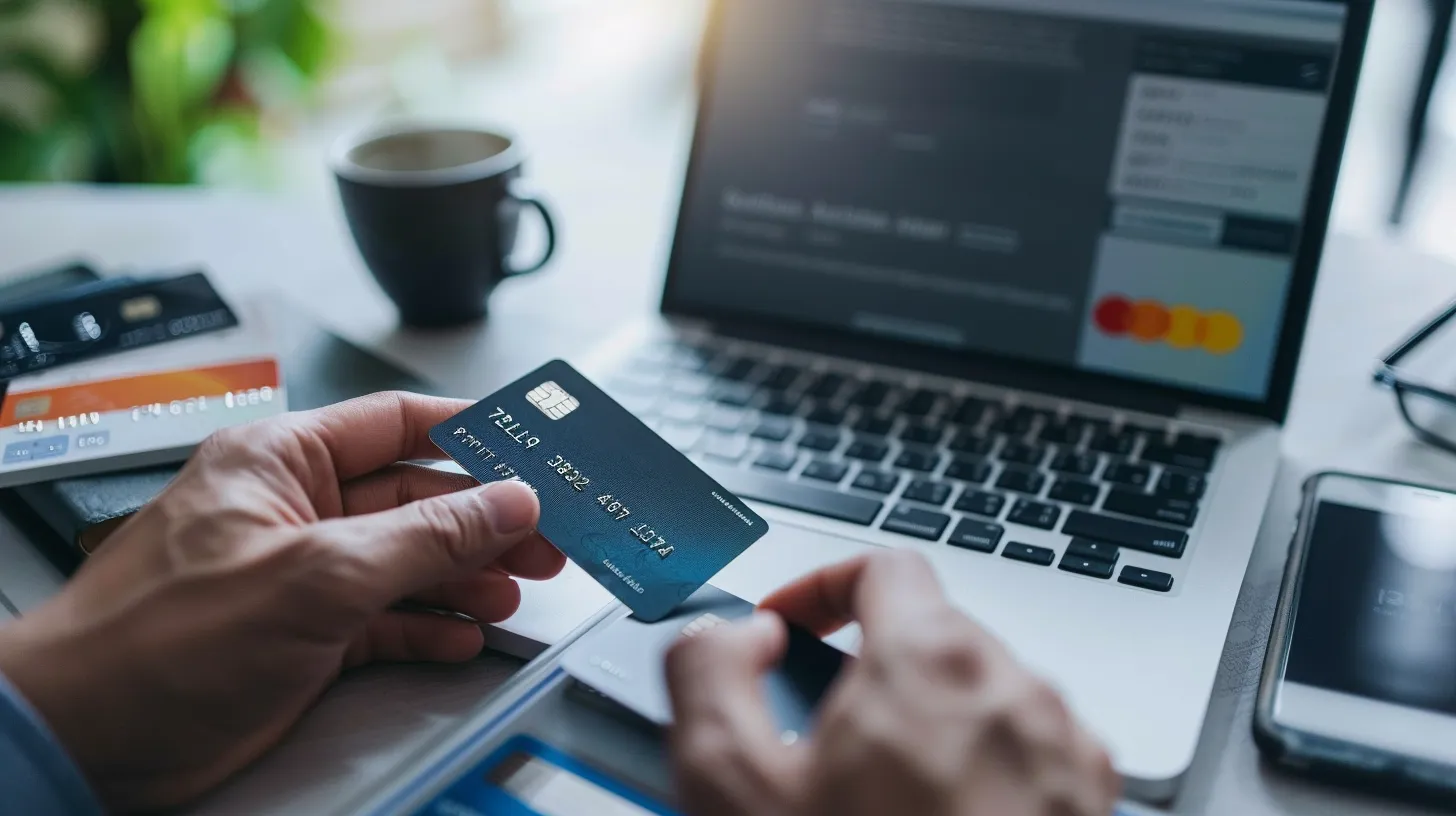
Credit cards and digital banks have completely transformed personal finance in 2026. While traditional banking still exists, modern consumers are increasingly shifting toward digital-first solutions. As a result, managing money has become faster, easier, and more efficient.
At the same time, credit cards are no longer just tools for spending. Instead, they are powerful financial instruments that can generate rewards, improve credit scores, and provide valuable benefits. However, if they are used incorrectly, they can also lead to serious debt.
Anúncio
Therefore, understanding how to combine credit cards with digital banks is essential. In this guide, you will learn how to maximize rewards, avoid hidden fees, and take full control of your finances. Moreover, you will discover strategies that can help you use these tools to your advantage.
What Are Digital Banks and Why They Matter
Digital banks, also known as neobanks, operate entirely online. Unlike traditional banks, they do not rely on physical branches. Consequently, they are able to offer lower fees and more competitive services.
In addition, digital banks provide user-friendly apps, real-time notifications, and advanced financial tools. As a result, customers gain better visibility and control over their finances.
Furthermore, many digital banks integrate seamlessly with credit cards. Therefore, managing spending and tracking rewards becomes much easier.
How Credit Cards Have Evolved
Credit cards have changed significantly over the past decade. While they were once primarily used for borrowing, they now offer a wide range of features.
For instance, many cards provide cashback, travel rewards, and purchase protection. Moreover, some even include insurance benefits and exclusive access to events.

However, despite these advantages, credit cards must be used responsibly. Otherwise, high interest rates can quickly turn them into a financial burden.
Top Trends in Credit Cards and Banks in 2026
Staying updated with trends can help you make smarter decisions.
1. Cashback and Rewards Optimization
Consumers are increasingly focused on maximizing rewards. Therefore, banks are offering more competitive cashback programs.
2. Integration Between Banks and Cards
Digital banks now provide full integration with credit cards. As a result, users can manage everything from a single app.
3. No-Fee Banking
Many digital banks have eliminated monthly fees. Consequently, they are attracting more customers.
4. AI Financial Assistants
Artificial intelligence is helping users track spending and suggest improvements. In addition, it provides personalized insights.
Types of Credit Cards You Should Consider
Not all credit cards are the same. Choosing the right one depends on your financial goals.
| Card Type | Best For | Rewards Type | Annual Fee | Risk Level |
|---|---|---|---|---|
| Cashback Card | Everyday spending | Cash rewards | Low/None | Medium |
| Travel Card | Frequent travelers | Miles/points | Medium | Medium |
| Premium Card | Luxury benefits | Multiple perks | High | Medium |
| Secured Card | Building credit | Limited rewards | Low | Low |
| Business Card | Business expenses | Cashback/points | Medium | Medium |
As shown above, each card type serves a specific purpose. Therefore, selecting the right one is crucial.
Smart Strategies to Maximize Credit Card Rewards
1. Use the Right Card for Each Purchase
Different cards offer different rewards. Therefore, using the correct card can significantly increase your benefits.
2. Pay Your Balance in Full
Interest charges can cancel out rewards. Consequently, paying your balance in full is essential.
3. Track Your Spending
Digital banks make tracking easier. As a result, you can stay within budget and avoid overspending.
4. Take Advantage of Sign-Up Bonuses
Many cards offer bonuses for new users. However, spending requirements should be met responsibly.
5. Combine Cards Strategically
Using multiple cards can maximize rewards. For example, one card can be used for groceries while another is used for travel.
How Digital Banks Improve Financial Control
Digital banks provide tools that make money management more efficient.
Real-Time Notifications
Every transaction is instantly recorded. Therefore, users can monitor spending closely.
Budgeting Tools
Apps categorize expenses automatically. As a result, budgeting becomes easier.
Low or No Fees
Traditional banking fees are often eliminated. Consequently, users save more money.
Integration With Financial Apps
Many digital banks connect with other platforms. Therefore, managing finances becomes more centralized.
Common Mistakes to Avoid
Even though these tools are powerful, mistakes can still happen.
Carrying a Balance
Interest rates on credit cards are high. Therefore, carrying a balance should be avoided.
Ignoring Fees
Some cards have hidden fees. Consequently, reviewing terms is essential.
Applying for Too Many Cards
Multiple applications can hurt your credit score. Instead, apply strategically.
Not Using Bank Features
Digital banks offer many tools. However, they are often underutilized.
How to Choose the Best Credit Card and Bank
Making the right choice requires careful evaluation.
1. Analyze Your Spending Habits
Your lifestyle determines which card is best. For example, frequent travelers benefit from travel cards.
2. Compare Fees and Benefits
Not all rewards are worth the cost. Therefore, annual fees should be justified.
3. Check Bank Features
Digital banks vary in functionality. As a result, comparing features is important.
4. Consider Customer Support
Even digital services need reliable support. Therefore, responsiveness matters.
Credit Score and Its Importance
Your credit score plays a key role in financial health. It affects loan approvals, interest rates, and even job opportunities in some cases.
Using credit cards responsibly can improve your score. For instance:
- Paying on time
- Keeping low balances
- Avoiding excessive applications
As a result, you gain access to better financial opportunities.
Future of Credit Cards and Banking
The financial landscape will continue to evolve. Several trends are expected:
- Increased automation and AI integration
- More personalized financial services
- Expansion of digital-only banks
- Enhanced security measures
Consequently, users will have more control, but also more responsibility.
When Credit Cards Are a Good Idea
Credit cards can be highly beneficial when used correctly.
Good Uses
- Building credit history
- Earning rewards
- Managing short-term expenses
Bad Uses
- Financing long-term debt
- Impulse purchases
- Living beyond your means
Therefore, discipline is essential.
Conclusion
Credit cards and digital banks are powerful financial tools in 2026. When used wisely, they can help you earn rewards, reduce costs, and manage money more effectively.
However, misuse can lead to debt and financial stress. Therefore, understanding how to use these tools is critical.
By choosing the right cards, leveraging digital banking features, and avoiding common mistakes, you can take full control of your finances. Ultimately, success comes from using these tools strategically and responsibly.