Anúncio
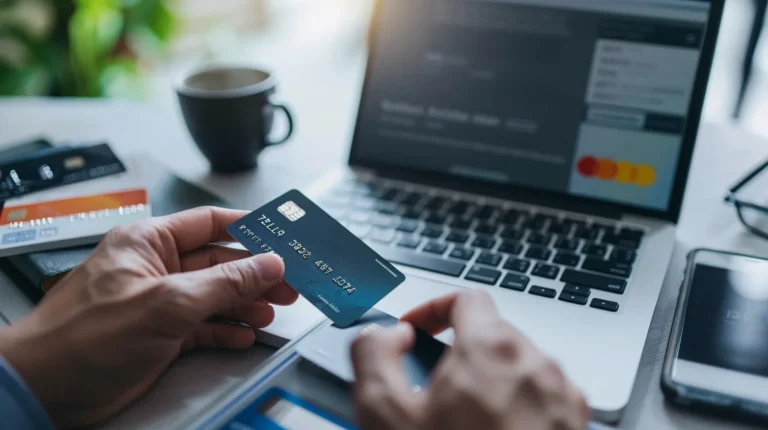
Credit cards and banks are essential parts of everyday financial life. While they are often seen as simple tools for spending and saving, they actually offer powerful opportunities to improve your financial situation.
However, many people use these tools incorrectly. As a result, they end up paying unnecessary fees, accumulating debt, and missing out on valuable rewards. Therefore, understanding how to use credit cards and banking services strategically is crucial.
Anúncio
In addition, the financial landscape has changed significantly. Digital banks, cashback systems, and automated financial tools have made managing money easier than ever. At the same time, these innovations require users to be more informed.
In this guide, you will learn how to use credit cards and banks to your advantage. Moreover, you will discover how to maximize rewards, reduce costs, and build long-term financial stability.

How Credit Cards and Banks Work Together
Credit cards and banks are closely connected. While banks manage your money, credit cards allow you to borrow funds temporarily.
When used together, they can create a powerful financial system. For example, a bank account can help you track your spending, while a credit card can provide rewards and build your credit history.
However, this combination must be managed carefully. Otherwise, it can lead to overspending and financial stress.
Types of Banks You Should Know
Not all banks operate in the same way. Therefore, choosing the right type is important.
| Bank Type | Main Feature | Fees Level | Convenience | Best For |
|---|---|---|---|---|
| Traditional Bank | Physical branches | Medium | Medium | In-person services |
| Digital Bank | Fully online | Low | High | Everyday banking |
| Credit Union | Member-owned | Low | Medium | Lower fees |
| Investment Bank | Advanced financial services | High | Low | Wealth management |
As shown above, digital banks often provide lower fees and more convenience. However, traditional banks may still be useful for certain services.
Types of Credit Cards and Their Benefits
Choosing the right credit card depends on your lifestyle and financial goals.
| Card Type | Best For | Main Benefit | Annual Fee | Risk Level |
|---|---|---|---|---|
| Cashback Card | Daily spending | Cash rewards | Low/None | Medium |
| Travel Card | Frequent travelers | Miles/points | Medium | Medium |
| Rewards Card | General purchases | Points system | Medium | Medium |
| Secured Card | Building credit | Credit improvement | Low | Low |
| Premium Card | High spenders | Exclusive perks | High | Medium |
Therefore, selecting the right card can significantly impact your financial results.
Smart Strategies to Use Credit Cards Wisely
1. Always Pay Your Balance in Full
Interest rates on credit cards are typically high. Therefore, carrying a balance can quickly become expensive.
By paying your balance in full each month, interest charges are avoided. As a result, rewards remain beneficial.
2. Use Cards for Planned Expenses Only
Credit cards should not be used for impulse purchases. Instead, they should be used for expenses that are already part of your budget.
This approach helps maintain financial control.
3. Take Advantage of Rewards Programs
Many cards offer cashback, points, or travel benefits. However, these rewards should be used strategically.
For example, using a cashback card for groceries can generate consistent savings over time.
4. Monitor Your Spending Regularly
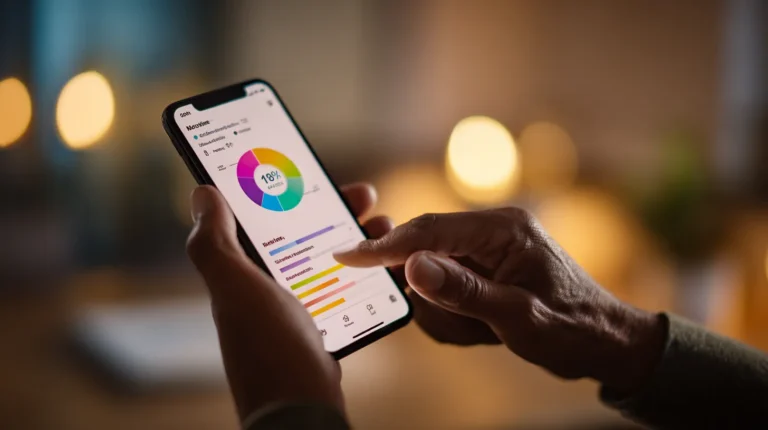
Digital banking apps allow real-time tracking. Therefore, reviewing transactions frequently can prevent overspending.
5. Limit the Number of Credit Cards
Although multiple cards can increase rewards, too many accounts can become difficult to manage. Consequently, a balanced approach is recommended.
How Banks Help You Manage Money Better
Banks offer more than just storage for your money. In fact, they provide tools that can improve financial management.
Budgeting Tools
Many banks categorize spending automatically. As a result, users can understand where their money goes.
Savings Automation
Automatic transfers to savings accounts make saving easier. Therefore, financial discipline improves over time.
Real-Time Alerts
Notifications for transactions help detect unusual activity quickly.
Low or No Fees
Digital banks, in particular, offer reduced fees. Consequently, users can save more money.
Common Mistakes to Avoid
Even though credit cards and banks are useful, mistakes are common.
Carrying a Balance
Interest charges can quickly accumulate. Therefore, balances should be paid in full whenever possible.
Ignoring Fees
Annual fees, late fees, and transaction fees can add up. Consequently, reviewing terms is essential.
Overspending Due to Credit Availability
Having access to credit can create a false sense of affordability. However, spending should always match income.
Not Using Bank Features
Many users ignore available tools. As a result, they miss opportunities to improve financial management.
How to Choose the Right Bank and Credit Card
Making the right choice requires careful evaluation.
1. Analyze Your Financial Habits
Understanding your spending patterns helps identify the best options.
2. Compare Fees and Benefits
Some cards offer great rewards but high fees. Therefore, benefits should outweigh costs.
3. Evaluate Digital Features
Modern banking relies heavily on technology. As a result, app usability is important.
4. Check Customer Support
Reliable support ensures problems are resolved quickly.
Building and Maintaining a Strong Credit Score
Your credit score plays a key role in your financial life.
It affects:
- Loan approvals
- Interest rates
- Financial opportunities
How to Improve Your Score
- Pay bills on time
- Keep balances low
- Avoid excessive applications
- Maintain long-term accounts
As a result, better financial opportunities become available.
Advanced Strategies to Maximize Benefits
Combine Multiple Cards
Using different cards for different categories can maximize rewards.
Use Bank Promotions
Banks often offer bonuses for new accounts or specific transactions.
Set Financial Goals
Clear goals help guide spending and saving decisions.
Track Net Worth
Monitoring your overall financial position provides valuable insights.
The Impact of Technology on Banking and Cards
Technology has transformed financial services.
Mobile apps allow instant access to accounts. Moreover, artificial intelligence provides personalized insights.
As a result, financial management has become more efficient and accessible.
However, users must remain cautious and informed.
When Credit Cards Are a Good Idea
Credit cards can be highly beneficial when used correctly.
Good Uses
- Building credit history
- Earning rewards
- Managing short-term expenses
Bad Uses
- Financing long-term debt
- Impulse purchases
- Living beyond your means
Therefore, discipline is essential.
Future Trends in Credit Cards and Banking
The financial world continues to evolve.
- More automation and AI integration
- Increased personalization
- Growth of digital-only banks
- Enhanced security systems
Consequently, users will have more control and better tools.
Conclusion
Credit cards and banks are powerful financial tools. When used wisely, they can help you save money, earn rewards, and manage your finances more effectively.
However, misuse can lead to debt and financial stress. Therefore, understanding how to use these tools strategically is essential.
By choosing the right bank, selecting appropriate credit cards, and avoiding common mistakes, you can take full control of your financial life. Ultimately, success comes from discipline, planning, and informed decision-making.